
Water and Mold Damage Restoration Service Areas Near Saratoga, CA
24/7 Water, Mold & Fire Restoration — Locally Based in San Jose
Restoration Services in Saratoga, CA
IICRC-certified rapid response teams available 24/7. Direct insurance billing, state-of-the-art moisture mapping, and hospital-grade sanitization.
Water Damage Repair & Extraction
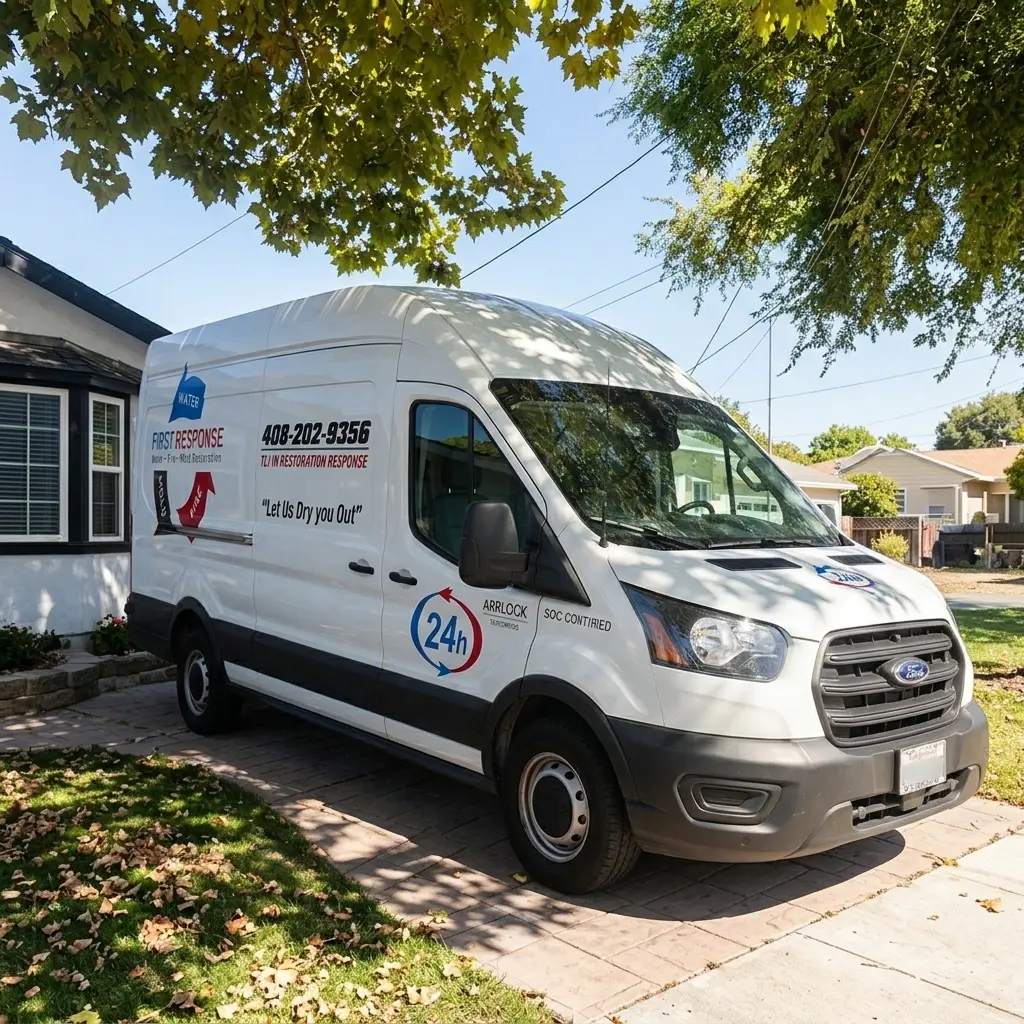
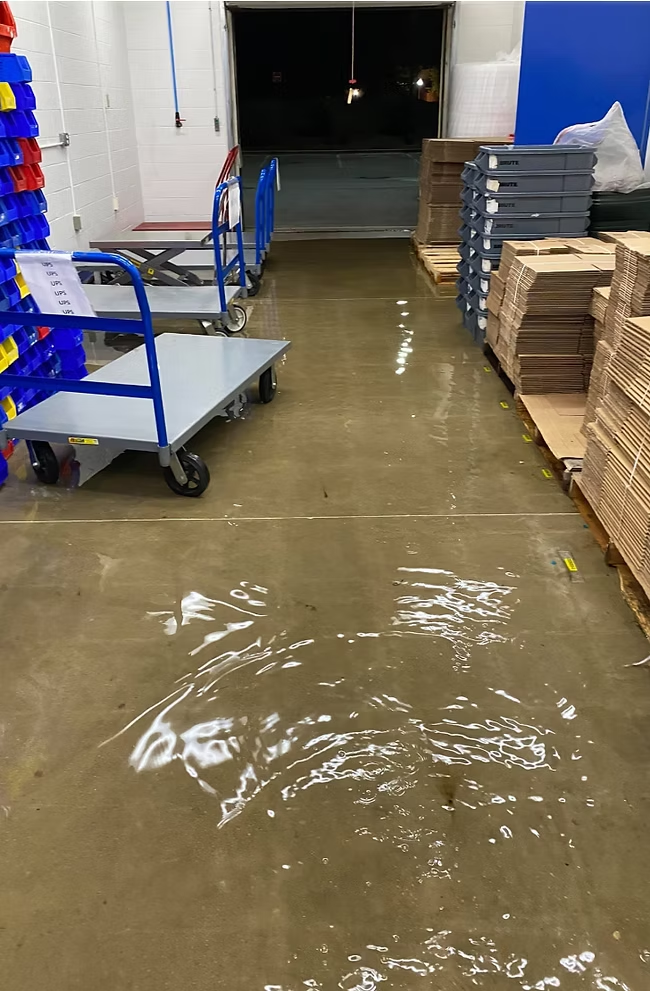
A burst pipe, failing water heater, or sudden leak requires immediate professional water damage repair. Our San Jose technicians arrive in under 30 minutes to extract water, repair damaged structures, and dry your property thoroughly. Free on-site estimate, no trip fee.
Mold Remediation & Removal
Water damage left unchecked can become a mold problem within 24-48 hours. Our San Jose team, certified by IICRC, contains, eliminates, and treats mold at its source, not just on the surface, using negative pressure air containment systems and HEPA filtration to prevent the spread of spores.
Fire Damage Restoration
Emergency fire recovery, structural soot cleaning, thermal fogging odor removal, and climate-controlled contents pack-out & storage.
Structural Drying & Dehumidification
Wet walls, subfloors, and framing that aren't fully dried lead to hidden mold and structural warping. We use commercial-grade LGR dehumidifiers and high-velocity axial fans to confirm your property reaches 100% dry standard before closing the job.
Sewage & Category 3 Black Water Cleanup
Sewage backups and Category 3 water expose your home to dangerous pathogens and health risks. We extract biohazard waste, sanitize contaminated surfaces, and apply hospital-grade disinfectants following strict IICRC and OSHA protocols.
What's Covered on This Page
20min
Average response
95070
Service ZIP code
24/7
Live dispatch
Signs of Water and Mold Damage in Hillside Homes
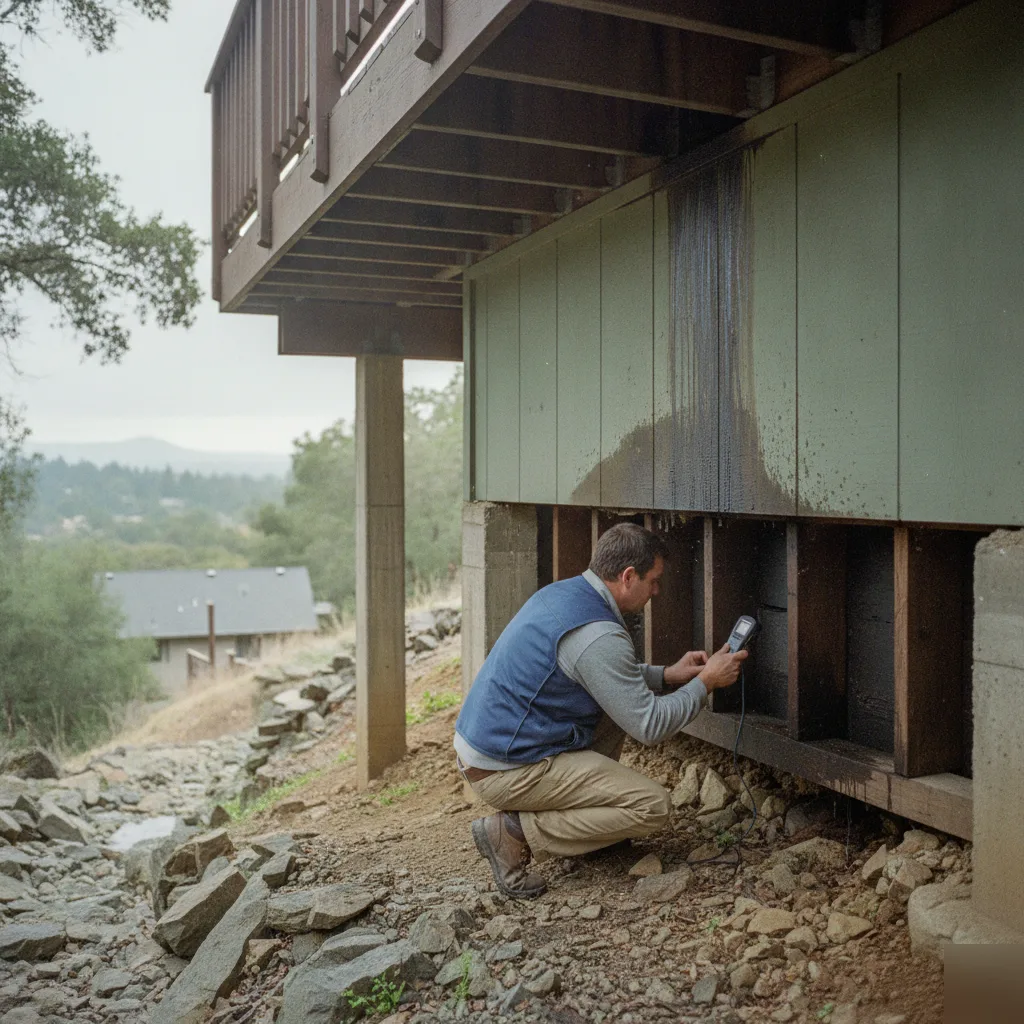
Hillside homes in Saratoga deal with water intrusion risks that are all their own, thanks to sloped lots, aging crawl space designs, and creek drainage paths running nearby. Musty odors, paint peeling near the foundation, warped flooring, and hidden leaks under decks are all worth paying attention to, since they tend to signal mold growth well before any damage becomes visible.
Saratoga's foothill neighborhoods, particularly those tucked against the Santa Cruz foothills along roads like Pierce Road, Mount Eden Road, and parts of Sanborn, sit on graded or naturally sloped lots. During winter storms, runoff travels downhill and pools near lower-level walls, retaining walls, and crawl spaces instead of draining away the way it's supposed to. Over time, that steady moisture softens the soil around foundations and creates exactly the damp, stagnant conditions mold needs to take hold.
A lot of homes in this area were built mid-century, roughly the 1950s through the 1970s, and many still have their original crawl space vent systems. Those vents were designed to a different standard, and they often let rain and ground moisture in during Saratoga's wet months, especially between November and March. Without a modern vapor barrier or a sealed crawl space upgrade, that moisture just sits underneath the home and gradually works its way into the subfloor framing and insulation.
- IMusty or earthy odors concentrated in downstairs closets, laundry rooms, or rooms near the crawl space access point
- IIPeeling, bubbling, or discolored paint along foundation walls, especially on the downhill side of the house
- IIIWarped, cupped, or soft wood flooring in lower-level rooms, often near exterior walls facing the slope
- IVVisible efflorescence, a white chalky residue, on concrete foundation walls where moisture has been wicking through
- VSoft or spongy decking boards and unexplained dampness under patios built over sloped ground
Homes near creek-fed drainage paths, which is common in parts of Saratoga close to seasonal tributaries feeding Saratoga Creek, face an added risk. Slow, low-volume leaks can develop under decks and patios where water seeps through joints or aging waterproofing membranes. Because these leaks happen gradually and out of sight, they can go unnoticed for months, sometimes years, until a musty smell or visible mold on the underside of the decking finally gives it away.
If you're noticing any combination of these signs, especially after a wet winter, it's worth having the crawl space, foundation perimeter, and under-deck areas inspected before moisture works its way further into framing or drywall. Catching these problems early on a hillside property can be the difference between a minor vent-related leak and a costly structural or air quality issue down the line.
How Our Team Reaches Saratoga's Service Areas
When a pipe bursts or mold starts spreading in a Saratoga home, every minute matters, which is why we plan our routes ahead of time. Our crews typically leave from our San Jose base near Commercial St and head southwest, merging onto Highway 85 for most of the drive. That stretch of freeway carries us past Cupertino and into the northern edge of Saratoga before we exit onto Saratoga-Sunnyvale Road, the main artery connecting the flatter commercial corridor to the winding residential streets closer to the hills.
From Saratoga-Sunnyvale Road, the drive changes character noticeably. Streets narrow, elevation climbs, and the neighborhood shifts from suburban grids to tree-lined lanes with limited visibility around the curves. Crews watch for the smaller side streets branching off toward the hillside communities, where a good portion of our water and mold damage restoration calls come from. These areas often sit above the main road, which means navigating switchback-style streets that weren't really designed with large service vehicles in mind.
Timing matters just as much as the route itself. During weekday commute windows, particularly 7 to 9 in the morning and 4 to 6 in the evening, traffic backs up near the Highway 85 and Highway 9 interchange. That bottleneck alone can add fifteen to twenty-five minutes to an otherwise straightforward trip. We build this into our dispatch scheduling whenever we can, and for active water intrusion emergencies, we make routing calls in real time to steer around the worst of it, sometimes taking surface streets if the interchange delay isn't worth it.
Once our team reaches Saratoga's hillside neighborhoods, the challenge often shifts from driving to maneuvering. Many properties in this part of our service area have narrow driveways, tight turning radii, and gated entrances that need advance coordination with homeowners or property managers. Our crews carry equipment built for these conditions, including compact extraction units and hoses long enough to reach structures set back from the street. We also confirm gate codes ahead of time or arrange for someone to be present when a property is secured, which helps us avoid losing time once the truck is actually on site.
- IPrimary route: Highway 85 southbound to Saratoga-Sunnyvale Road exit
- IISecondary route during heavy congestion: surface streets bypassing the 85/9 interchange
- IIIStandard drive time outside rush hour: approximately 20 to 25 minutes
- IVExtended drive time during weekday peak traffic: up to 45 minutes
- VOn-site considerations: narrow driveways, steep grades, and gated access points common in hillside neighborhoods
Because access conditions vary so much across Saratoga, we recommend residents in gated or hillside communities pass along entry instructions when they schedule service. It's a small step, but it often shaves valuable minutes off response time during water and mold emergencies, when acting quickly helps limit structural damage and keeps moisture from working further into walls, flooring, and crawl spaces.
What Makes Saratoga's Creekside Homes Unique
Saratoga Creek winds through several residential pockets in town, and the closer a home sits to its banks, the more likely it is to deal with groundwater intrusion. In heavy rain years, the water table beneath these properties rises noticeably, pushing moisture into crawl spaces, slab foundations, and basement walls. Homeowners in these creekside blocks often notice damp flooring, musty odors, or efflorescence on concrete well before any visible flooding shows up, since groundwater pressure is working from below rather than just from surface runoff.
A significant portion of the housing stock in this part of Saratoga dates back to the 1950s through the 1970s, a period when galvanized steel and orangeburg pipe were still standard plumbing materials, and foundation techniques hadn't yet caught up with today's vapor barriers and drainage systems. That means a lot of these homes are running on fifty- to seventy-year-old infrastructure that was never built to handle the moisture loads we're seeing in recent wet winters. Corroded pipes, settling foundations, and outdated waterproofing are the rule here, not the exception.
Most properties in these neighborhoods are single-family homes on generous lots with decades of mature landscaping, including large oaks, redwoods, and ornamental trees planted close to the house. The shade and privacy are a real draw, but those established root systems frequently grow into or crush aging drainage and sewer lines, especially at clay or cast iron pipe joints that have weakened over the years. Root intrusion is one of the most common causes of slow drains and sewer backups we hear about from homeowners in this area, and it often goes unnoticed until a clog turns into a recurring headache.
- IHomes within a few hundred feet of Saratoga Creek see higher rates of basement and crawl space moisture during wet winters
- IIMid-century plumbing materials common in 1950s to 1970s construction are more prone to corrosion and root intrusion
- IIIMature trees on larger lots frequently send roots into aging drainage and sewer laterals
- IVHillside runoff combined with saturated soil creates repeat trouble spots in lower-level rooms and basement corners
- VOlder foundations in this area often lack modern vapor barriers, making them more sensitive to groundwater pressure
Saratoga's hillside topography adds another layer to the problem. Homes below sloped lots often catch runoff that funnels downhill during the rainy season, saturating soil around foundations that are already vulnerable simply because of age. Put uphill drainage, creek proximity, and aging infrastructure together, and you get predictable trouble spots that tend to show up in the same rooms year after year, usually basements, converted garages, or lower-level additions built without adequate perimeter drainage.
Local Insight: If your home sits near Saratoga Creek or on a downhill lot with mature trees, a seasonal drainage inspection before winter can catch root intrusion or foundation moisture issues before they become costly repairs.
Active water emergency?
Call 408-202-9356 — under 25 min response.
Common questions about Saratoga, CA in Saratoga
How long does it take your crew to reach hillside homes near Pierce Road and Mount Eden Road?
It usually takes 20 to 25 minutes outside of rush hour. We drive Highway 85 to Saratoga-Sunnyvale Road, then head up into the hillside streets. During weekday commute hours, the Highway 85/9 interchange can add 15 to 25 minutes, so the trip may stretch to 45 minutes total.
Why do older homes near Saratoga's foothill neighborhoods have more mold problems in crawl spaces?
Many homes in this area were built between the 1950s and 1970s with original crawl space vents. These vents let in rain and ground moisture during wet months, especially November through March. Without a sealed crawl space or vapor barrier, that moisture soaks into the subfloor and creates ideal mold conditions.
What should I do before scheduling service if I live on a gated hillside property near Sanborn?
Share your gate code or entry instructions when you book. Many hillside homes have narrow driveways, tight turns, and gated access that need advance coordination. Passing along entry details ahead of time helps our crew get equipment to your door faster instead of losing time at the gate.
Emergency Water Damage?
Pay Zero Upfront.
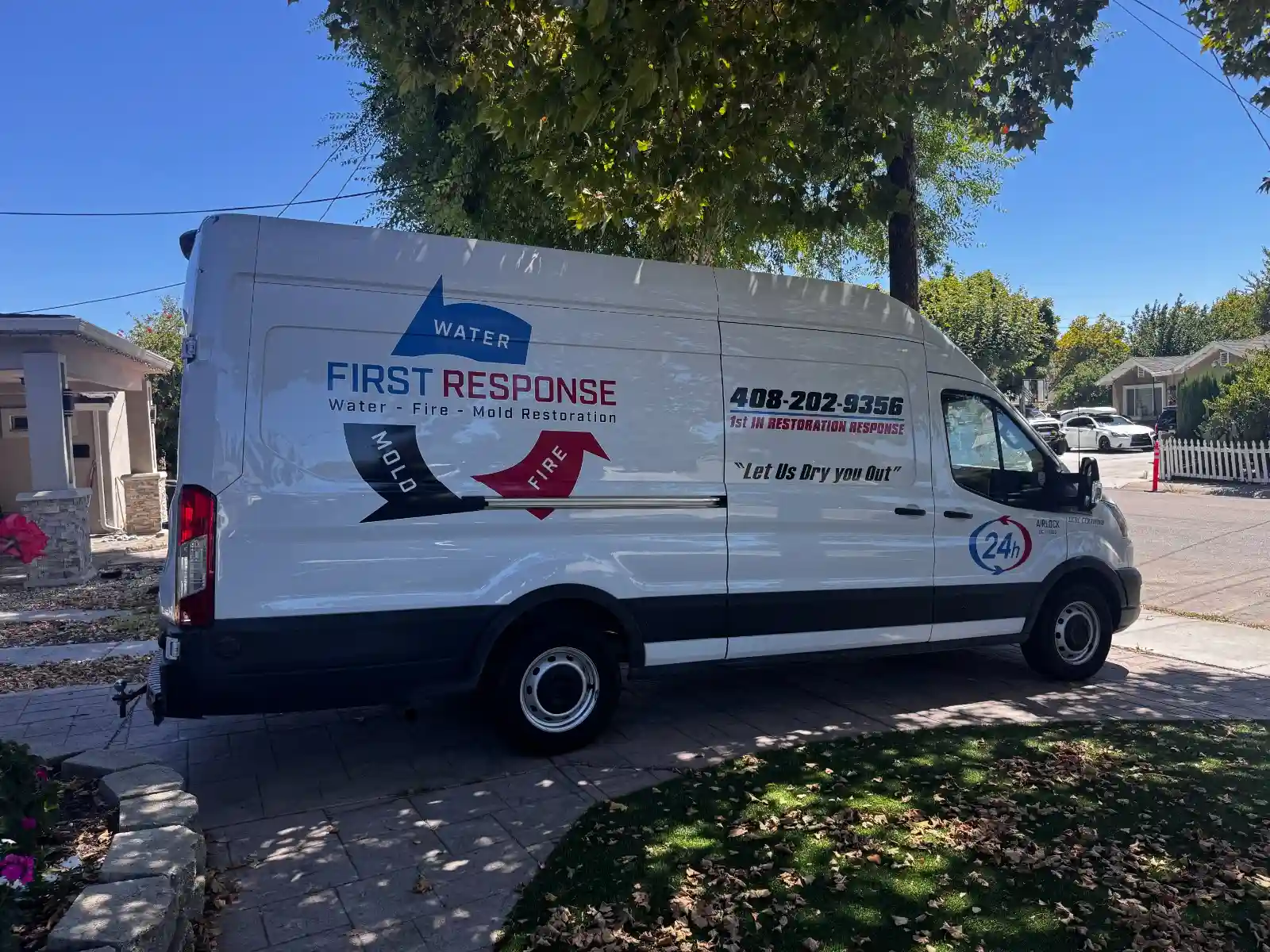
Direct insurance billing on covered claims with no hidden catch. Get immediate water damage repair & extraction in San Jose today. Contact us to book a free on-site estimate!
Feel Free to Contact Us or Book Services
First Response: Your best solution for accurate, immediate, and professional help for all your water damage repair and restoration needs in San Jose and Silicon Valley.
- 24/7 Friendly Support
- Professional IICRC-Certified Specialists
- 15+ Years Local Experience in San Jose
- Direct Insurance Billing & Itemized Claims
- Same-Day Water Damage Extraction