
East San Jose's Local Water Damage Restoration Crew — At Commercial St Since Day One
24/7 Water, Mold & Fire Restoration — Headquartered on Commercial St, 95127
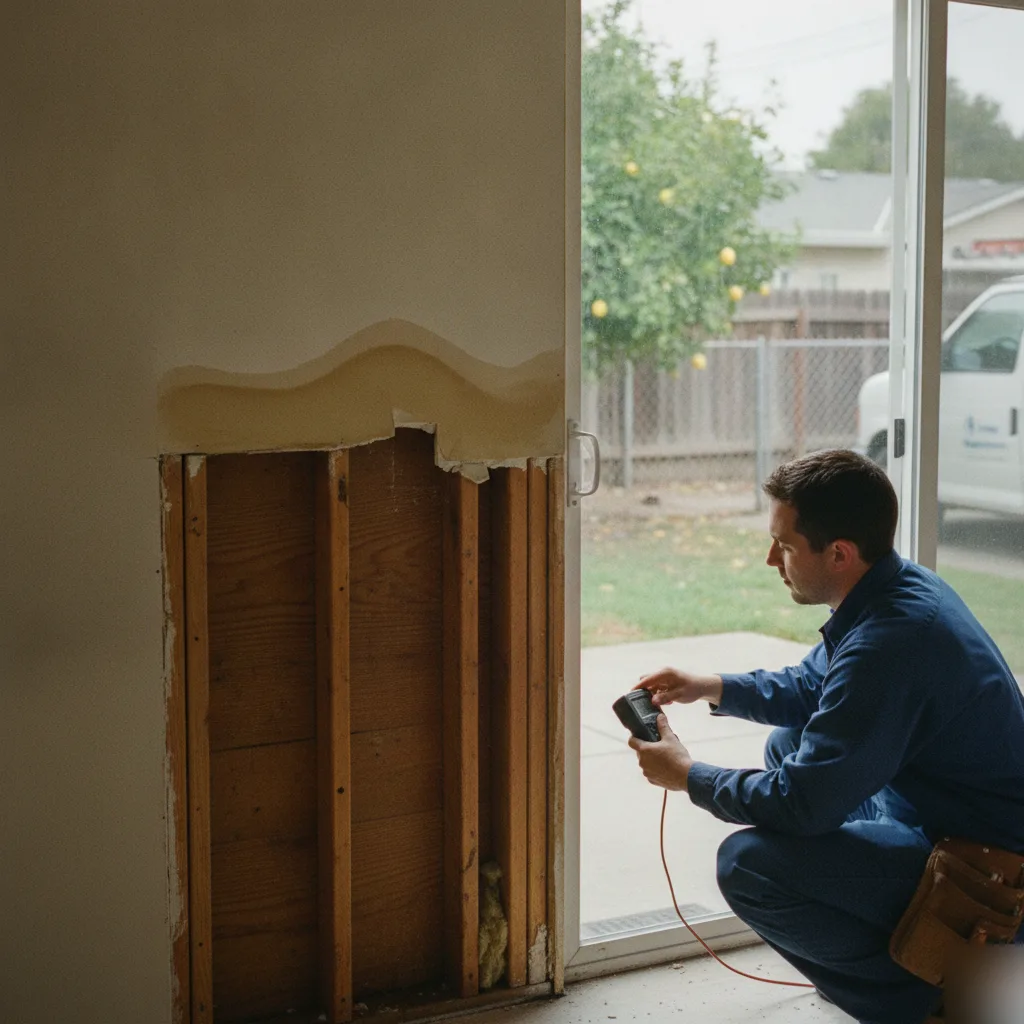
Restoration Services in San Jose, CA
IICRC-certified rapid response teams available 24/7. Direct insurance billing, state-of-the-art moisture mapping, and hospital-grade sanitization.
Water Damage Repair & Extraction
A burst pipe, failing water heater, or sudden leak requires immediate professional water damage repair. Our San Jose technicians arrive in under 30 minutes to extract water, repair damaged structures, and dry your property thoroughly. Free on-site estimate, no trip fee.
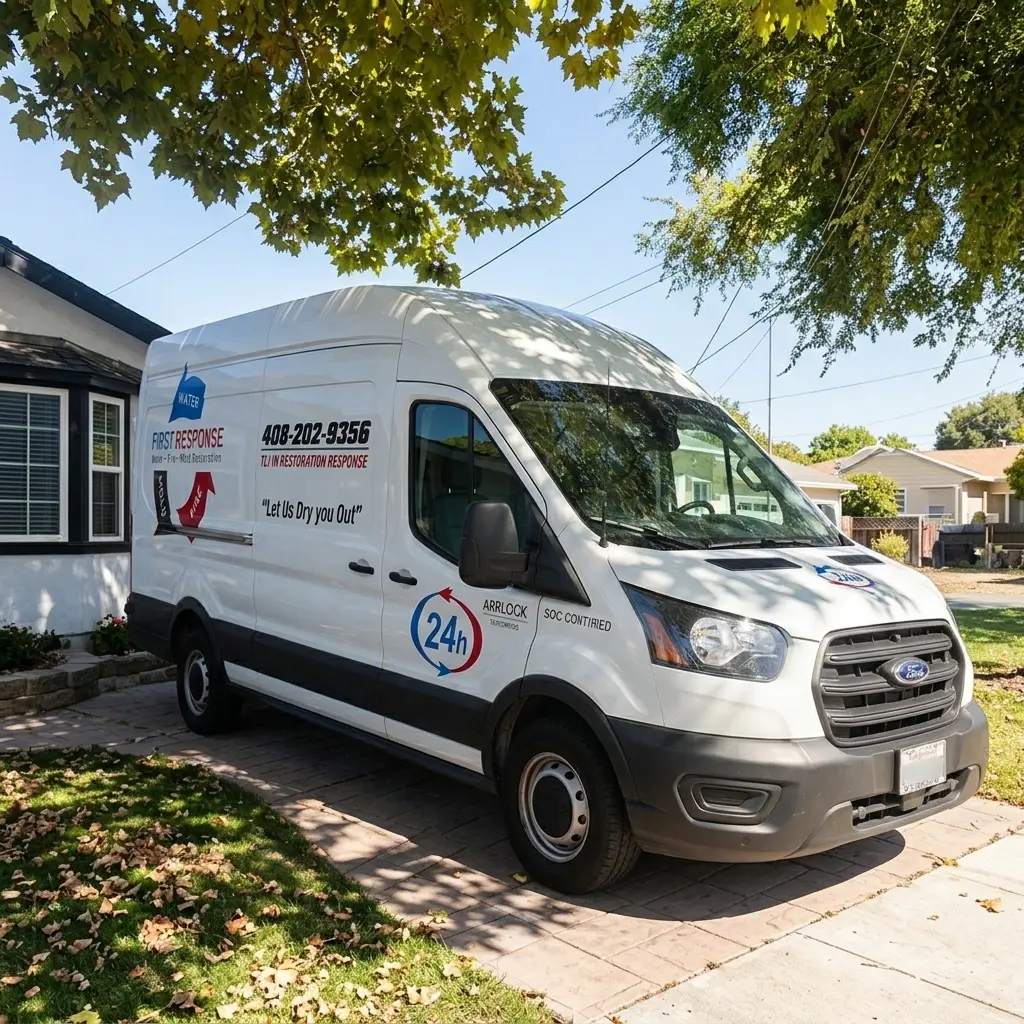
Mold Remediation & Removal
Water damage left unchecked can become a mold problem within 24-48 hours. Our San Jose team, certified by IICRC, contains, eliminates, and treats mold at its source, not just on the surface, using negative pressure air containment systems and HEPA filtration to prevent the spread of spores.
Fire Damage Restoration
Emergency fire recovery, structural soot cleaning, thermal fogging odor removal, and climate-controlled contents pack-out & storage.
Structural Drying & Dehumidification
Wet walls, subfloors, and framing that aren't fully dried lead to hidden mold and structural warping. We use commercial-grade LGR dehumidifiers and high-velocity axial fans to confirm your property reaches 100% dry standard before closing the job.
Sewage & Category 3 Black Water Cleanup
Sewage backups and Category 3 water expose your home to dangerous pathogens and health risks. We extract biohazard waste, sanitize contaminated surfaces, and apply hospital-grade disinfectants following strict IICRC and OSHA protocols.
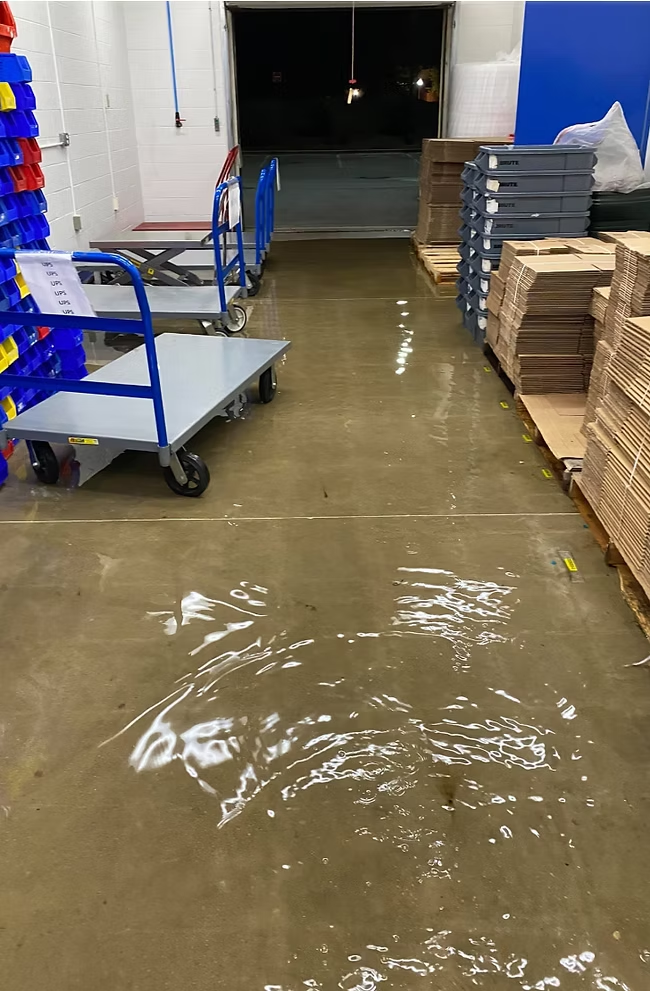
What's Covered on This Page
15min
Average response
95127
Headquarters ZIP
24/7
Live dispatch
Restoration Support for Homes Across East San Jose
Homes near Alum Rock Avenue, especially in the 95127 zip code, tend to run into water and mold trouble tied to aging plumbing, tired roofing, and basements or crawl spaces that hold onto moisture. Here's what makes these properties unique and how restoration support tackles the slab leaks and roof leaks that often go unnoticed until flooring or drywall starts showing damage.
This page covers our San Jose service zone, centered on the East San Jose neighborhoods clustered near Alum Rock Avenue. This corridor has its own housing character and its own set of repair headaches compared to newer parts of the city, which is exactly why local restoration knowledge matters so much here.
Most homes in the 95127 zip code went up between the 1950s and 1970s, back when copper and galvanized steel plumbing was the norm and roofing materials simply weren't built to last as long as today's options. Decades later, those original systems are often at or past their functional limit, so leaks from corroded pipes, worn flashing, and aging shingles show up regularly throughout the neighborhood.
A lot of these properties are single-family homes with basements or crawl spaces tucked beneath the main living area. Those spaces are handy for storage or foundation access, but they also trap moisture the moment water gets in, since airflow is limited and leaks aren't always visible from inside the house. Humidity and standing water can sit there for weeks, quietly setting up perfect conditions for mold well before anyone notices.
A common scenario around Alum Rock involves a slab leak under an older foundation, or a slow roof leak above the attic that goes unnoticed for a long stretch. Homeowners usually don't catch it until they spot warped flooring, bubbling paint, or discolored drywall, and by then the water has already spread beneath the surface. Once damage becomes visible, moisture has often soaked into subflooring, insulation, and framing, which means a bigger remediation job than if the leak had been caught early.
- IAging copper or galvanized plumbing common in homes built from the 1950s through the 1970s
- IIOriginal or near-original roofing materials nearing the end of their service life
- IIIBasements and crawl spaces that trap humidity and slow drying after a leak
- IVSlab leaks that spread underground before surfacing in flooring or baseboards
- VRoof leaks that travel through attic insulation before staining ceilings or walls
This same coverage area extends to nearby Berryessa, another East San Jose neighborhood with similar housing age and construction patterns. Residents in both areas benefit from restoration support that understands the specific vulnerabilities of mid-century homes, from outdated plumbing runs to roofing systems that were never designed to hold up this long.
How Our Team Reaches the Water and Mold Damage Restoration Service Areas
When a pipe bursts or mold starts spreading behind a bathroom wall, every minute matters, so our dispatch route from the Commercial St office is built around speed and knowing East San Jose streets cold. Crews typically head out from 666 Commercial St toward Capitol Expressway or Highway 680, depending on where the call is coming from, then cut through connecting arterials like White Road, Alum Rock Avenue, or Tully Road to reach residential blocks.
We chose this route because it dodges the worst downtown congestion while still connecting quickly to both the foothill neighborhoods and the flatland subdivisions that make up most of our service zone. Under normal daytime traffic, the drive from our office to most homes in this area takes under 15 minutes. During morning or evening rush hour, when Highway 680 and Capitol Expressway both slow to a crawl, that window stretches closer to 20 or 25 minutes. Our scheduling team factors this in with every dispatch estimate, so customers get a realistic arrival window instead of an optimistic one that falls apart the moment traffic backs up near the Capitol Expressway interchange.
Once a crew is on-site, getting equipment into the home quickly becomes the next priority. Many streets in this part of San Jose feature private driveways or attached carports, giving technicians a clear, close spot to park the truck and start unloading extraction units, air movers, and dehumidifiers without a long haul across a yard or sidewalk.
Older homes in this part of San Jose, particularly those built before the 1980s, often have side or rear entry points added over the years for gardens, laundry areas, or converted garages. Before starting extraction work, the team walks the exterior to check these secondary entrances, since they sometimes offer a faster or less disruptive path to the affected room than the front door. This step also helps flag additional moisture sources, like a leaking exterior spigot or a poorly sealed side door, that may be feeding the damage inside.
- IRoute planning accounts for both Highway 680 and Capitol Expressway traffic patterns
- IIDriveways and carports common in the area allow equipment to be staged close to the entry point
- IIIExterior walkthroughs on older homes identify side and rear entry options before work begins
- IVDispatch estimates reflect realistic rush hour timing rather than best-case scenarios
What Makes Homes in the Water and Mold Damage Restoration Service Areas Different
San Jose's neighborhoods carry the fingerprints of the postwar building boom, and that history matters when trouble strikes. Many houses in this stretch of the city went up between the 1950s and 1970s, a period defined by fast, standardized construction meant to house a rapidly growing workforce. That means the plumbing, roofing, and insulation in these homes are now well past their intended service life.
A roof re-shingled decades ago or original supply lines that have never been swapped out create conditions where a small failure can turn into a serious intrusion before anyone notices. Unlike newer subdivisions or high-turnover rental districts, most properties here are owner-occupied single-family homes. Families often stay for decades, sometimes passing the house down between generations.
That kind of long-term ownership changes what's at stake when a leak or mold problem shows up. It's not just a maintenance line item for a landlord juggling tenants, it's a direct hit to a family's largest financial asset and the place where they've built their daily lives. Restoration work in these homes tends to involve homeowners who care deeply about getting the repair done right the first time, not just fast.
The plumbing systems from this construction era add another layer of risk. Cast iron drain lines and galvanized steel supply pipes were standard for the time, and both materials degrade in predictable ways as they age. Cast iron corrodes from the inside out, narrowing and weakening pipe walls until small leaks develop at joints or hairline cracks. Galvanized pipe suffers from internal rust buildup that can mask a slow drip for months. Because these leaks often occur inside walls, under slab foundations, or beneath flooring, the moisture goes undetected until mold has already taken hold in wall cavities, subfloors, or crawl spaces. That's why inspections in older San Jose homes typically include moisture mapping behind walls near known plumbing runs, rather than relying solely on what's visible.
- IAging cast iron and galvanized pipe systems are more prone to slow, hidden leaks than modern PEX or copper lines
- IIOriginal roofing and flashing from the 1950s-1970s era may no longer meet current moisture-shedding standards
- IIIOwner-occupied homes mean restoration decisions often involve long-term financial and emotional investment in the property
- IVNarrow lots near Alum Rock Village can limit access points for trucks, hoses, and drying equipment
Lot layout also plays a practical role in how restoration jobs get done. Some blocks near Alum Rock Village have narrow lots with tight side yards and limited driveway space, a common pattern in older, densely built neighborhoods. That affects where air movers, dehumidifiers, and containment barriers can go during a job. Crews often need to plan equipment placement around narrow hallways, small utility access points, and shared property lines before drying work even starts, since airflow efficiency depends on spacing these older layouts don't always accommodate easily.
Active water emergency?
Call 408-202-9356 — under 15 min response.
Common questions about San Jose, CA in San Jose
How fast can you get to a home near Alum Rock Avenue if a pipe bursts?
Most homes near Alum Rock Avenue get a crew in under 15 minutes during normal traffic. During rush hour, when Highway 680 or Capitol Expressway slow down, that window stretches to about 20 or 25 minutes. Our dispatch team builds this into every arrival estimate so you get a realistic timeframe, not a guess.
Why do homes near Alum Rock Avenue keep getting slab leaks and roof leaks?
Most homes in this area were built between the 1950s and 1970s with copper or galvanized plumbing and roofing that's now past its service life. Corroded pipes under the slab and worn flashing on the roof often leak quietly for weeks before warped flooring or stained drywall gives it away.
Will your crew need to access my basement or crawl space near Alum Rock Avenue?
Yes, most single-family homes in this area have basements or crawl spaces beneath the main living area. These spots trap humidity and slow drying after a leak, so we always check them first. Many houses also have side or rear entry points that give us faster access than the front door.
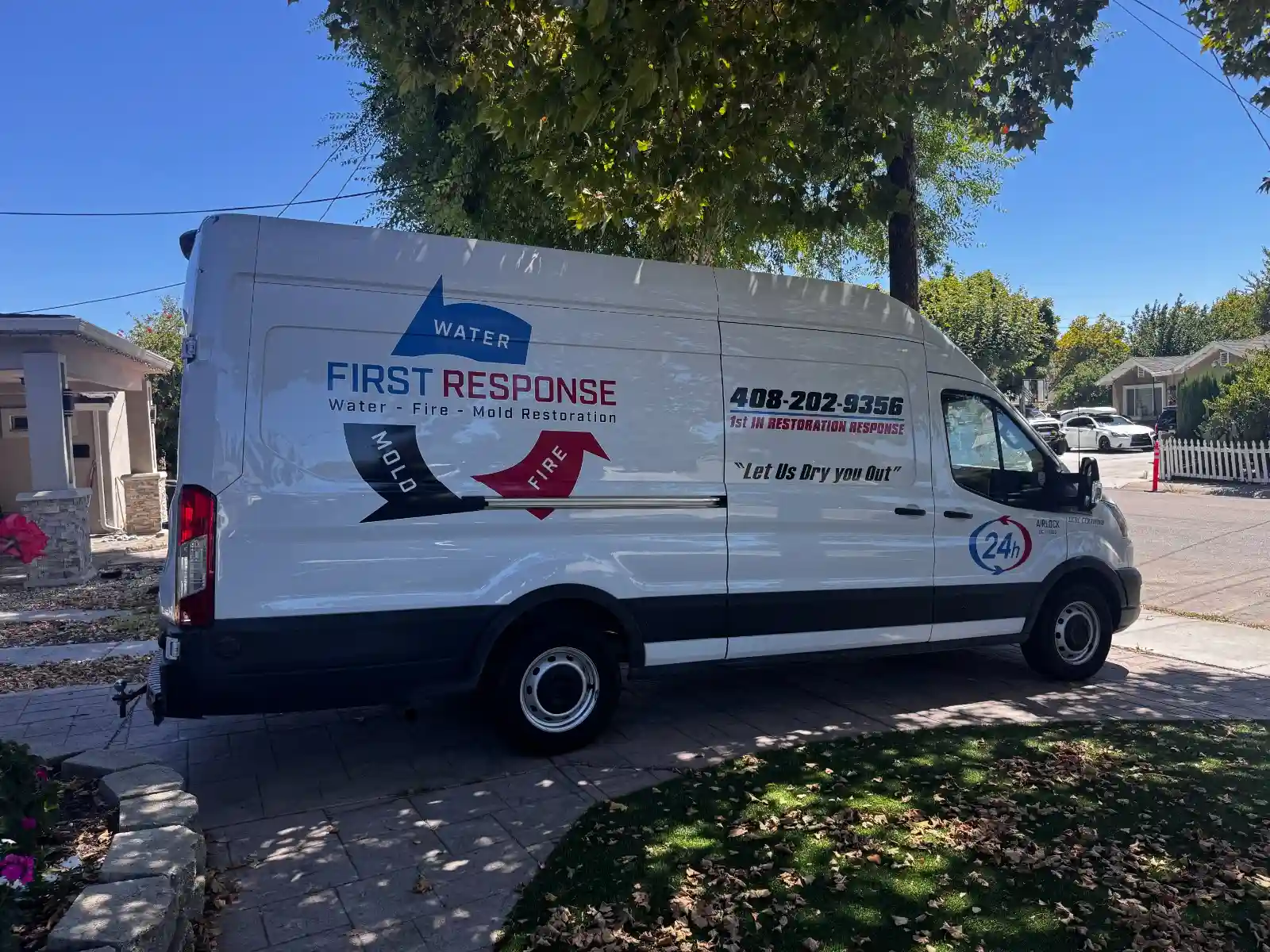
Emergency Water Damage?
Pay Zero Upfront.
Direct insurance billing on covered claims with no hidden catch. Get immediate water damage repair & extraction in San Jose today. Contact us to book a free on-site estimate!
Feel Free to Contact Us or Book Services
First Response: Your best solution for accurate, immediate, and professional help for all your water damage repair and restoration needs in San Jose and Silicon Valley.
- 24/7 Friendly Support
- Professional IICRC-Certified Specialists
- 15+ Years Local Experience in San Jose
- Direct Insurance Billing & Itemized Claims
- Same-Day Water Damage Extraction